Cyprus will succeed Denmark, taking the presidency of the European Union on 1 January 2026. Best known to tourists for its beaches, landscapes, and cultural heritage, the country nonetheless exhibits a number of distinctive features that set it apart within the European Union.
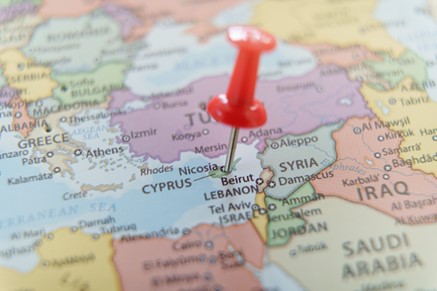
Located on an island territory less than 250 km from Beirut and covering an area of 5,896 km²(1) – slightly smaller than the island of Corsica – the Republic of Cyprus constitutes an exception within
the European Union. Its geographical specificity is compounded by geopolitical complexities stemming from the ongoing conflict with Turkey, which led in 1983 to the self-proclamation of the Turkish Republic of Northern Cyprus (TRNC), occupying the northern part of the island.
As the Green Deal enters a new phase focused on implementation across all Member States, EdEn analyses how the specificities of Cyprus’s territory present both structural constraints and strategic assets for reducing emissions and enhancing energy autonomy.